
Energy efficiency

p2h – Renewable Power-to-Heat in Bitola Region

Bitola is about as hard a test case for decarbonisation as exists in North Macedonia — a city whose economy and heating system have both been built around a single coal plant for generations. Showing, with real engineering and financial modelling rather than aspiration, that a renewable alternative is not just possible but economically competitive as carbon pricing extends to heating, gives local and national decision-makers something concrete to act on rather than a slogan to debate.

The project also created a direct link between two separate investments: the €87 million Bitola 3 Solar Power Plant (financed by EBRD and KfW) supplying renewable electricity, and GAUSS’s feasibility study describing exactly how that electricity could heat the city via large-scale heat pumps. That “supply meets demand” bridge — plus the direct transfer of methodology from the 100% Renewables Foundation’s earlier work in Hajnówka, Poland — is precisely the kind of cross-border, replicable outcome the EUKI programme is designed to produce, and positions GAUSS as a credible technical partner for the region’s next phase of energy-transition financing.

p2h – Renewable Power-to-Heat in Bitola Region Read More »
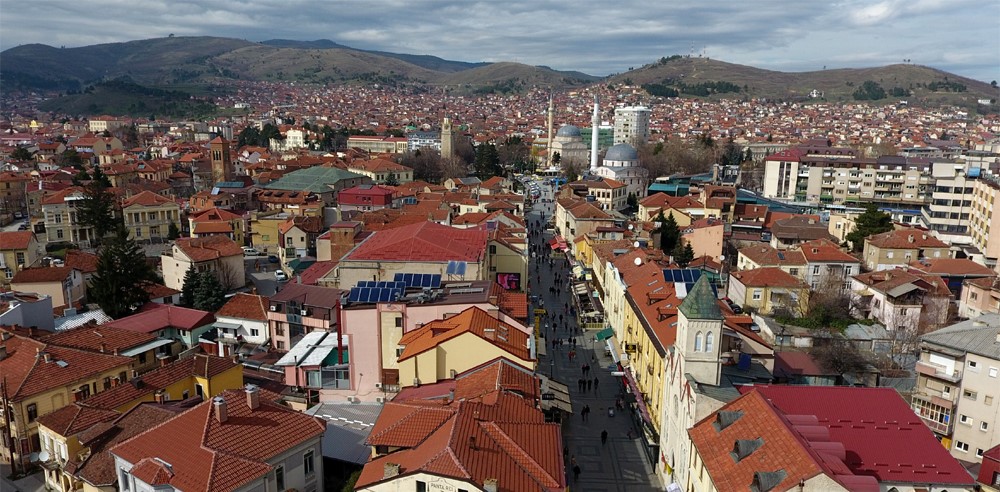
Green Inter-e-Mobility – Integration of Green Transport in Cities

Municipal electric-vehicle pilots often stall at “we bought the cars” — the harder, less visible part is building a system reliable enough that a city can actually run an on-demand transport service around them, and honest enough to show whether it’s really saving money and emissions or not. By pairing real telemetry with a public booking app and independently reporting the resulting kilometres, costs and emissions, this project gave Bitola and Resen something they could point to as evidence, not just intention.

For the GAUSS Institute, Green Inter-e-Mobility extended its growing portfolio of practical IoT and AI-based systems — building directly on its ITS and communications work in projects like BENEFIT — into full-stack green mobility infrastructure combining renewable energy, vehicle telemetry and public-facing digital services.

Green Inter-e-Mobility – Integration of Green Transport in Cities Read More »

Agrowaste supply chains for sustainable growth -AGROWCHAIN

Binter.MK — GAUSS Institute | aGROWchain Project GAUSS Institute — Project Portfolio Binter.MKMobilising biomass, connecting people. A digital marketplace built by the GAUSS Institute that links farmers, transporters and end‑users around one resource that used to go up in smoke: agricultural biomass in the Municipality of Novaci. Farmer declares available biomass Collector / Transporter books

Agrowaste supply chains for sustainable growth -AGROWCHAIN Read More »

Renewable Power-to-Heat in Bitola Region

Funding Programme: European Climate Initiative (EUKI), implemented by GIZ on behalf of the German Federal Ministry for Economic Affairs and Climate Action (BMWK)Project Reference: EUKI 23_063Implementation Period: November 2023 – October 2025Location: Bitola Region, North MacedoniaProject Website: p2h.gaussinstitute.org About the Project The Renewable Power-to-Heat in Bitola Region project addressed one of the most pressing energy

Renewable Power-to-Heat in Bitola Region Read More »
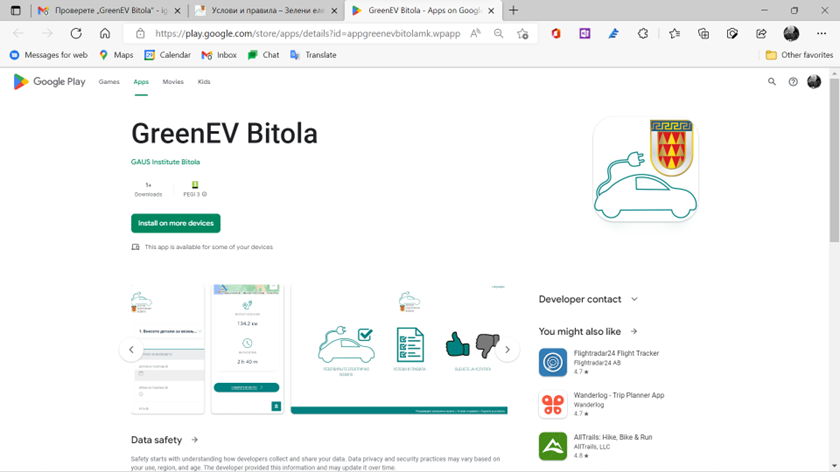
Integration of Green Transport in Cities / Green Inter-e-Mobility

Project funded by INTERREG IPA CBC Programme “Greece – Republic of Noth Macedonia 2014-2020” Period of implementation: September 2021 – August 2023 The main objective of the Green Inter-e-Mobility project is to design and apply an energy-efficient, regional Intelligent Transportation System (ITS) in four (4) cross-border municipalities in Greece (Florina and Prespes) and in North

Integration of Green Transport in Cities / Green Inter-e-Mobility Read More »

aGROWchain-Agrowaste supply chains for sustainable growth

Project funded by INTERREG CBC Programme “Greece – Republic of North Macedonia 2014-2020” Role in the project: subcontractor Agricultural residues such as straw, bank canes, and tree pruning constitute a significant amount of green waste in rural areas on both sides of the borders between Greece and North Macedonia. These wastes are poorly managed, causing

aGROWchain-Agrowaste supply chains for sustainable growth Read More »

BENEFIT

GAUSS Institute provided consultancy and implementation support within the EU-funded BENEFIT project, “Building ENergy EFficiency ImprovemenT: Demonstration for public buildings,” implemented under the Interreg IPA Cross-Border Cooperation Programme Greece–North Macedonia. Acting as an external support organisation for the Public Enterprise for Urban Planning, Architectural Design and Engineering Bitola, GAUSS assisted with project management, procurement and documentation procedures, reporting, FLC and MIS support, communication activities, technical coordination, energy-efficiency deliverables, Building Energy Efficiency platform testing, pilot retrofit evaluation, training materials, transnational guidelines and new business model inputs. The assignment strengthened public-sector capacity for energy-efficiency planning and contributed to practical project results including public-building mapping, typology analysis, strategic assessment of energy-saving potential, pilot retrofit support and preparation of bankable energy-efficiency projects.

BENEFIT Read More »

Scroll to Top